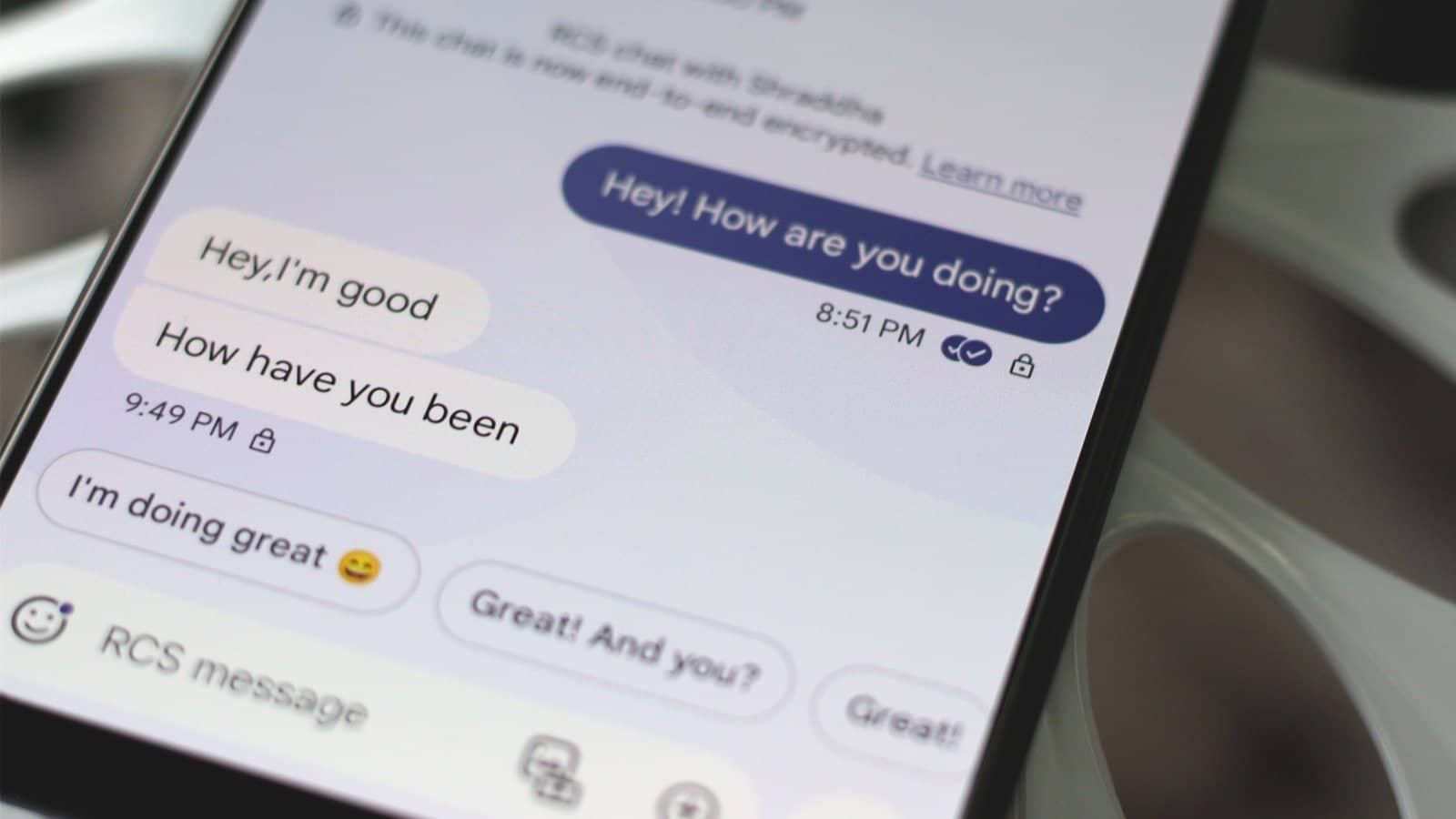
In this new virtual world, texting has been one of the most prominent modes of communication; in fact, nowadays more than ever in the dating and relationship worlds. This rise brings with it new manners, behaviors, and, of course, the unwritten rules. One such term that has brought many discussions and debates is “double texting.”.
Double texting is a situation whereby a person sends two or more messages in succession without receiving a response to the first message.
In this paper, we shall elaborate on double-texting in greater depth and why it happens, when it is appropriate, and what it reveals about modern relationships in respect of the act of communication.
What is double texting?
Double texting is an act which entails the writing of another message before a response from the recipient to the first one. It may be within minutes or hours of the original message and can take so many different forms :
Reminder Text: There is sometimes a tendency to double-text if one believes their first message has been overlooked or forgotten. A second message acts, then, as a gentle reminder.
Explanatory text: Sometimes a second message can be used to supplement or clarify the first, particularly if the text set was vague or incomplete.
Anxiety Text: A person may send a second message in dating situations when the wait for a response becomes unbearable.
What is important to know here is that double texting itself is not bad. The response it elicits would depend on a number of things, among which are how well the two people know each other, the nature of the relationship, and expectations.
Why do people double-text?
Double texting isn’t solely a form of impatience or frustration, but sometimes that is what it may seem like. There are a great many legitimate reasons someone may need to send multiple texts in an attempt to get his point across:
True Forgetfulness: Sometimes you compose a message and then all of a sudden remember you forgot to include a critical detail or question. The follow-up text just fixes the oversight.
Passion or Passion: You might catch up with passion when you are very interested in the conversation or in the person. You can then delete some ideas or updates before waiting for a response.
Clarification or follow-up: You can send a follow-up message to clarify something or continue if something feels incomplete.
There can be a concern or an urgency that requires double texting, such as ensuring someone is fine or making sure a plan is set in stone.
Feeling Overlooked. Of course, if it seems the person has “ghosted” you or is taking longer than expected to respond to your messages, one might want to send another message. Often, this is about seeking assurance or confirmation that the other person is still engaged in the conversation.
Overthinking and Anxiety: The other person doesn’t speak. So, some people start getting anxious. They tend to think either they’ve done something wrong, or the other person has lost it, or that they’re not being considered. To put a stop to such thoughts, a second text is sent to remind the other person of their existence.
Is double texting bad after all?
Double texting is not wrong per se. Everything depends on the situation, the relationship, or the context in which it occurs. Here are some cases where double texting might be acceptable or even welcome:
Established Relationship: Because communication is often casual when the aim is familiarization in long-term relationships, double-texting rarely goes noticed. For the most part, people tend to be less stringent with texting etiquette when they’re already familiar with whom they’re dealing with. Perhaps you would not mind sending that second text so much either as you might have worried that person over the first one.
Casual talks: With friends or even acquaintances, texting may be a little more casual in comparison. Double texting is also acceptable since they are probably more suited to put up with each other’s ways of communicating.
When Double Texting Is a Problem
Double texting, however can be view in a bad light especially when done in the initial stages of dating or professional relationships. Neediness and no boundaries often mark a person who over-messages or texts with little patience. These are a few examples of where double texting may not go over so well:
There is often a delicate balance in communication between the couple during early dating stages. Some follow the mentality of “wait for a response,” and sending multiple texts feels overwhelming. Too much texting is overwhelming if the other person still knows you, whether it is on campus or within the community.
After Ghosting: If somebody hasn’t responded to your initial message after a long period of time (several days or more), sending a follow-up text can feel as if you are not respecting their silence.
Professional context: A work setup where texting seems really formal can make them view themselves as being in an invasive position when double texting. In the overall scheme of things, it is best to send multiple messages unless absolutely necessary such as urgency or clarity.
Emotional response: Double-texting, as a result of an emotional response and possibly sending a follow-up because you are angry or upset, can escalate things unnecessarily. In such a scenario, it often makes sense not to send another text when emotions are running high.
Double texting in the age of digital communication
Communication has grown exponentially with the availability of social media, messaging apps, and smart phones all at a click.
A question could have a short joke or comment following it. In fast flows of interaction, one double-texts, as if this is part of the flow.
Dealing with Double Texting: Best Practices
When you wonder whether you should or shouldn’t double text, these are some guidelines to help guide you.
Assess a possible sense of urgency: Do you actually need to send yet another text? Perhaps you should let the other person have a little more time in order to respond.
Not that you are not being courteous, but do not think through everything. A second text, when genuinely and thoughtfully written, is unlikely to injure the conversation.
Read More: Flirty Messages for Her: Sweet Texts to Pique Her Interest
The outcome
Double texting is certainly situation to situation. This can be perfectly fine in some situations and a little more doubtful in others. Understand the context of your relationship and how your texting activity fits into the other person’s preferences. Used wisely, double texting can be a great way to communicate and develop connections with others. But most things operate on a balance


